
Headshot Stations at Corporate Events: A Complete Guide
What it takes to add a headshot station to your next conference, and what your team walks away with.
Why This Guide
This guide walks you through everything you need to know about adding a professional headshot station to your conference or corporate event in Boston. What to expect on the day. How to set realistic goals. What your attendees walk away with. And what your organization can do with the photos long after the event is over.
The Experience Should Be Fun
Starting with what's most important and least expected.
A conference headshot station is not a DMV line. It should feel more like waiting in line at Disney World.
The energy the photographer brings to that space sets the tone for every single person who steps in front of the camera. Most people are nervous. Many haven't had a professional headshot taken in years. Some are convinced they're not photogenic. The photographer's job is to make all of that disappear at "hello."
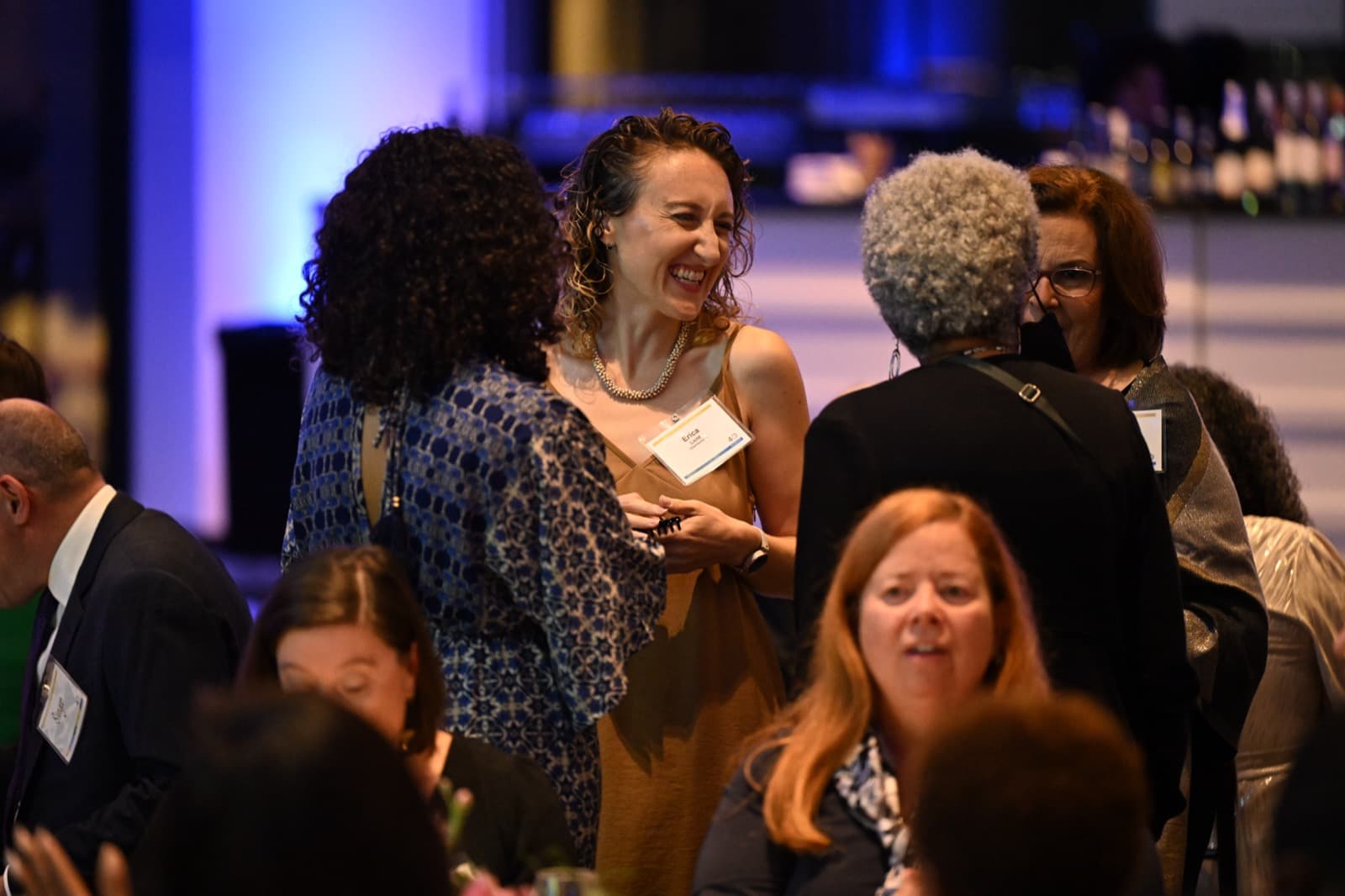
A skilled photographer works the line as much as the camera. By the time someone steps in front of the lights they've already experienced the joy of the session by overhearing real conversations, genuine compliments, and probably a belly laugh from everyone photographed ahead of them. And the expression right after the laugh? That's the money shot.
When the headshot station has good energy, word spreads naturally. Colleagues walk their peers to the line. The line builds because everyone heard it's actually a good time.
Ask about this when you're evaluating conference headshot photographers. Ask how they handle someone who's camera shy. Read their reviews. The answer tells you a lot.
What the Setup Looks Like
A headshot station for conferences is simple by design.
A professional backdrop, customizable to your brand with enough advance planning. A lighting setup that makes everyone look their best regardless of what they're wearing or what the venue lighting is doing. A photographer who works quickly while making every person feel like the most important one at the event.
There should also be a queue management system or someone actively organizing the line. An assistant can melt the nervous energy before anyone steps in front of the camera, set expectations for those waiting, and help register attendees so their photos are matched to them correctly.
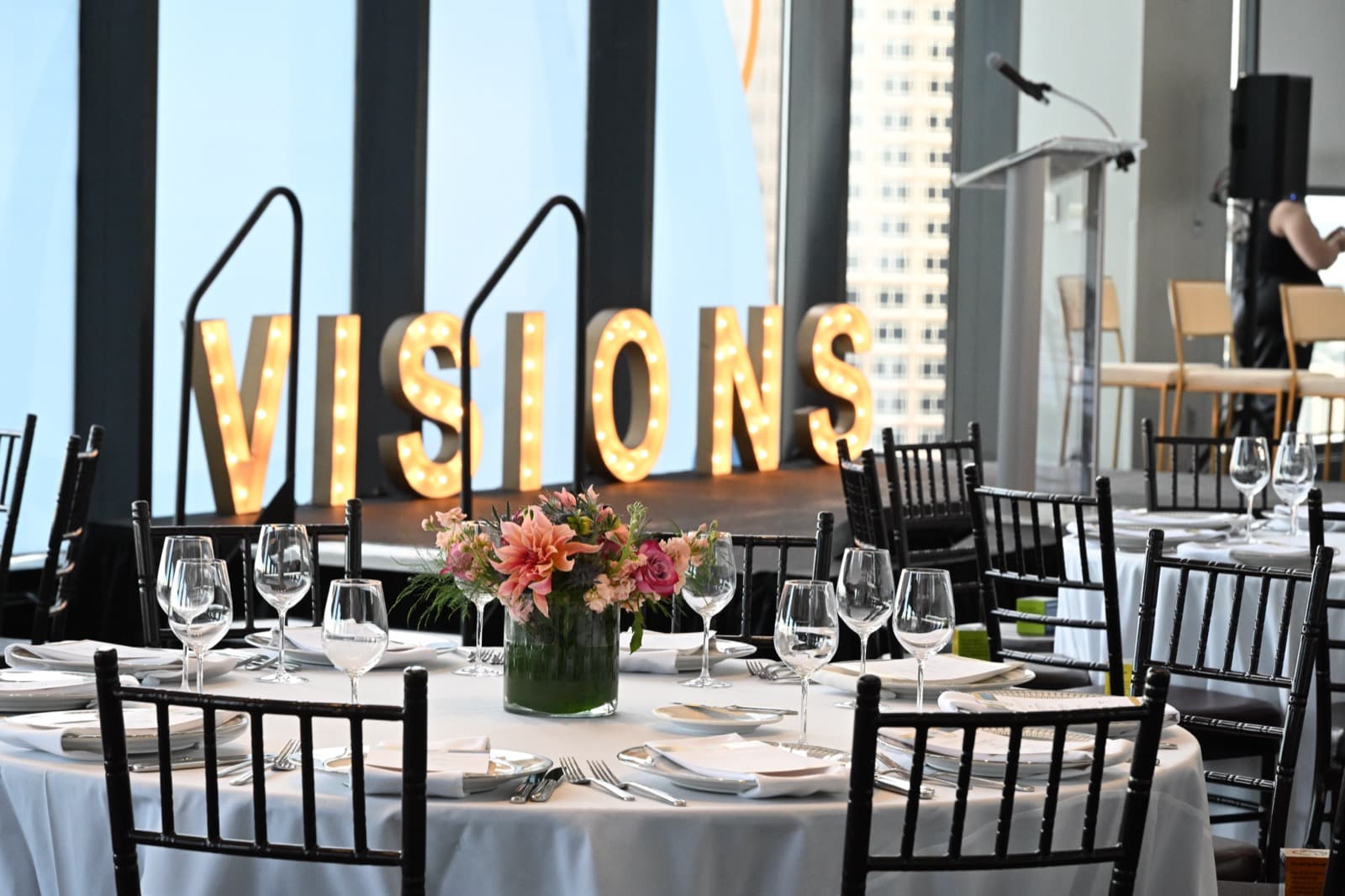
The footprint is small. A 10 by 10 space is comfortable. A corner of the venue, a pre-function area, or a dedicated room all work well. It just needs to be visible and accessible.
Oh, and a great playlist. Someone should always be dancing. Probably the photography team.
If hiring more than one photographer, make sure the team shares the same values around creating a fun experience. You don't want attendees choosing their favorites and creating tension between photographers.
What to Tell Your Photographer Before the Event
Start with the run of show. This is the step most conference planners skip and it's the most important one. The run of show tells your photographer exactly how much time the headshot station actually has given your keynotes, breakout sessions, meal breaks, and hard stops. That conversation sets the right expectations for everyone.
It helps the photographer understand when the station opens and closes. It helps you understand how many on-site headshots are actually achievable. And it allows the team to prepare the line for hard stops so attendees aren't caught off guard when a keynote is about to begin.
From there, walk through expected attendance and realistic participation. Clarify usage: are these just for fun, for LinkedIn, a company website, a press kit, or an internal directory? Flag any VIPs, speakers, or sponsors who should be prioritized. Share brand guidelines if you have them. If specific people need to be photographed no matter what, put their names on a list.
Going into the event with a shared understanding means your photographer is solving for your goals, not guessing at them.
How Many Headshots Can You Actually Get?
The honest answer is: it depends.
Three minutes per person including transitions is a good baseline. At a comfortable pace that's roughly 20 people per hour. Push the pace and you can reach up to 60. But past a certain point you're trading quality and experience for volume, and that's a tradeoff worth making consciously.
What shapes the number is a conversation you need to have before the event. How many images per person? Are these for company use or personal use? Complimentary or paid? Does the organization want a consistent look across all photos or are attendees free to express their own style? Consistency requires more direction per person. The answers determine pace, setup, and realistic volume far more than any formula.
What Attendees and Organizations Walk Away With
For attendees it starts with a fully edited professional headshot they receive right away and actually want to use.
For a lot of people that's genuinely meaningful. They've been meaning to update their LinkedIn headshot for years. They've been using a crop from a group shot at their sister's wedding. A headshot station at a conference gives them something they needed without having to go out of their way to get it.
At Three Circles Studio we offer real time photo delivery. By the time an attendee steps away from the lights their images are already in their inbox. People check their phones, show the photo to the person behind them in line, and share it in a tagged LinkedIn post before the event is even over. Your event becomes part of the story they're telling in real time.
For your organization the value goes further. We provide a complete spreadsheet matching every registered attendee to their professional headshot. Your team walks away with a clean, organized record ready for social media tagging, CRM updates, internal directories, and post-event follow-up campaigns. The photos don't expire when the event ends. With the right system in place they keep working for your organization for months.
And paired with a team of roaming photographers capturing the rest of your event, you walk away with a complete visual story from start to finish.
Why Share the Run of Show with Your Photographer
Most photographers never think to ask for it. It changes what I shoot, when, and where.
I've Been Training My Own Competition
In December 2024 I started a mentorship community, reluctantly. Nine months later, I spent five thousand dollars of my own money and told a dozen mentees to keep every dollar they made.